3 hr 30 min
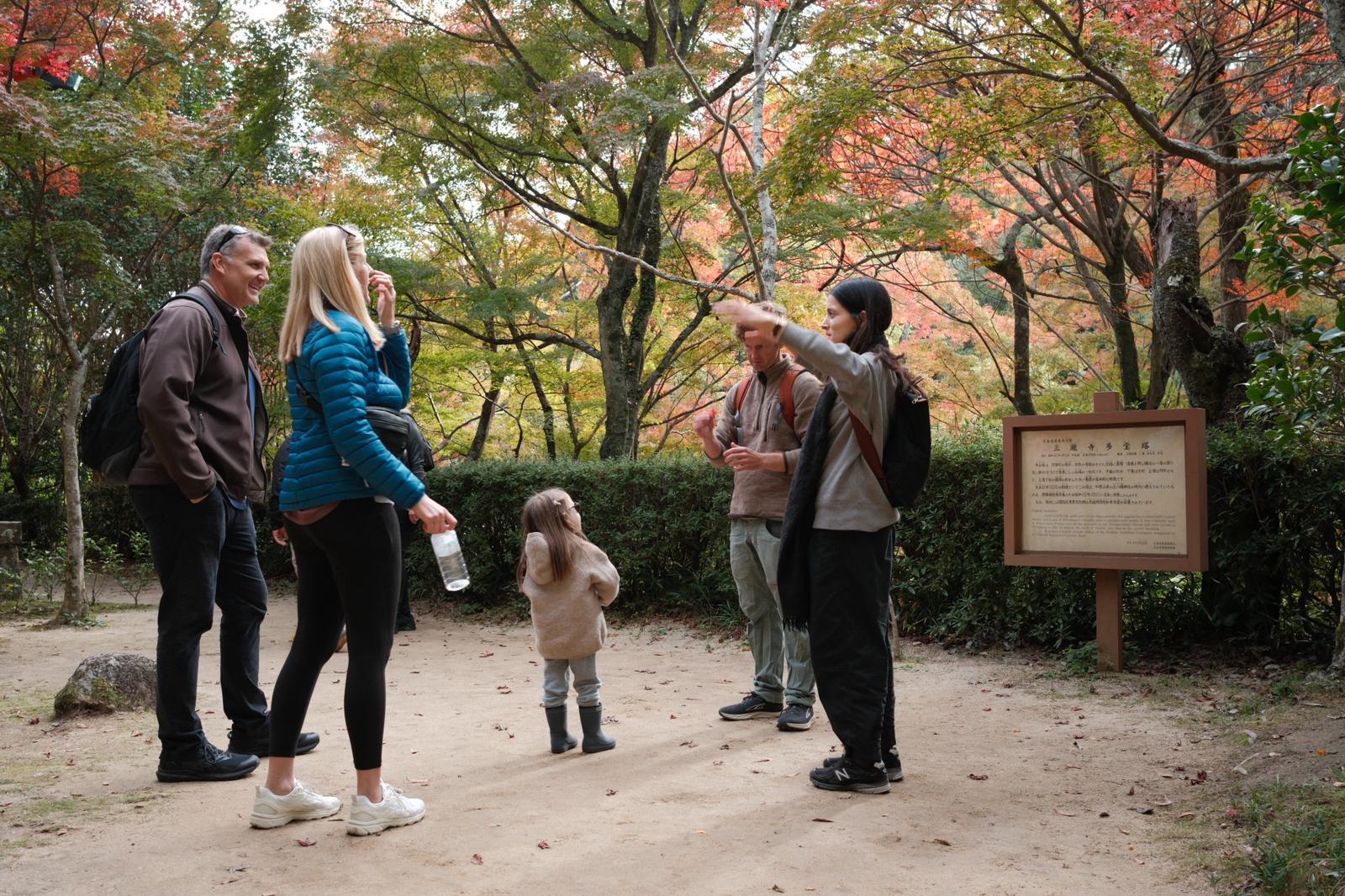
Hiroshima E-Bike Tour: Peace Park, Castle & Mitaki Temple
Explore Hiroshima's landmarks and hidden nature on a relaxed 3.5-hour guided e-bike ride.
Reserve
Hand-picked by our editors — only the best 6 tickets from 75 reviewed.
Verified partners for Hiroshima Castle tours, free cancellation where available, and instant confirmation on every booking.
3 hr 30 min
Explore Hiroshima's landmarks and hidden nature on a relaxed 3.5-hour guided e-bike ride.
Reserve
2 hr 30 min
A thoughtful 2.5-hour walk through Hiroshima's wartime history, from castle grounds to the Peace Memorial Park.
Reserve
3 hr
Walk Hiroshima's history with a local guide, from samurai-era castle to the Peace Memorial Park and Museum.
Reserve
8 hr
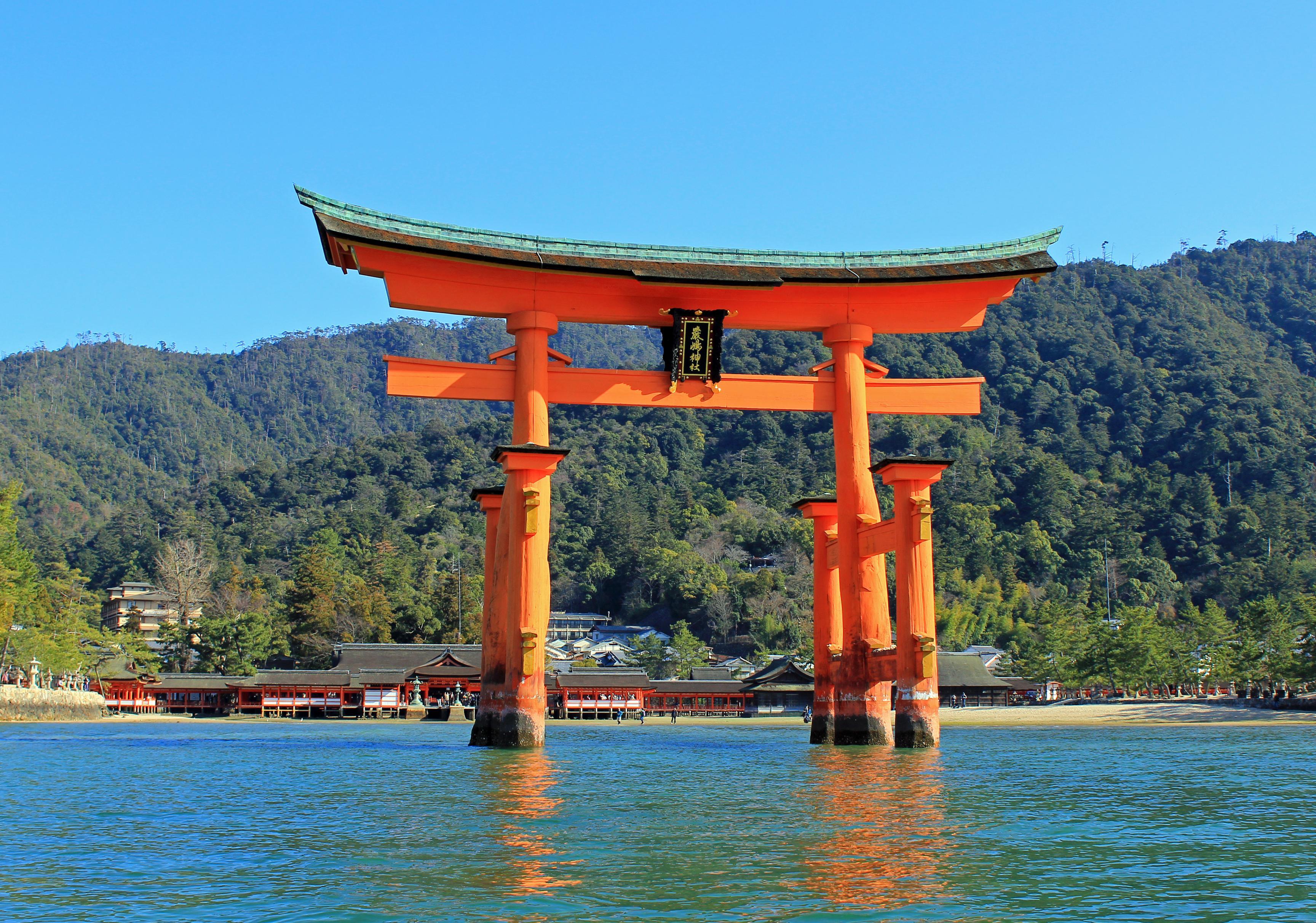
Discover Hiroshima's Peace Memorial and Miyajima's floating torii on a guided full-day journey by bus and ferry.
Reserve
7 hr
A private day in Hiroshima — peace memorials, gardens, a castle, and Miyajima's floating torii at sunset.
ReservePrices from verified partners. Availability updates in real time at checkout. Free cancellation policies apply where shown.
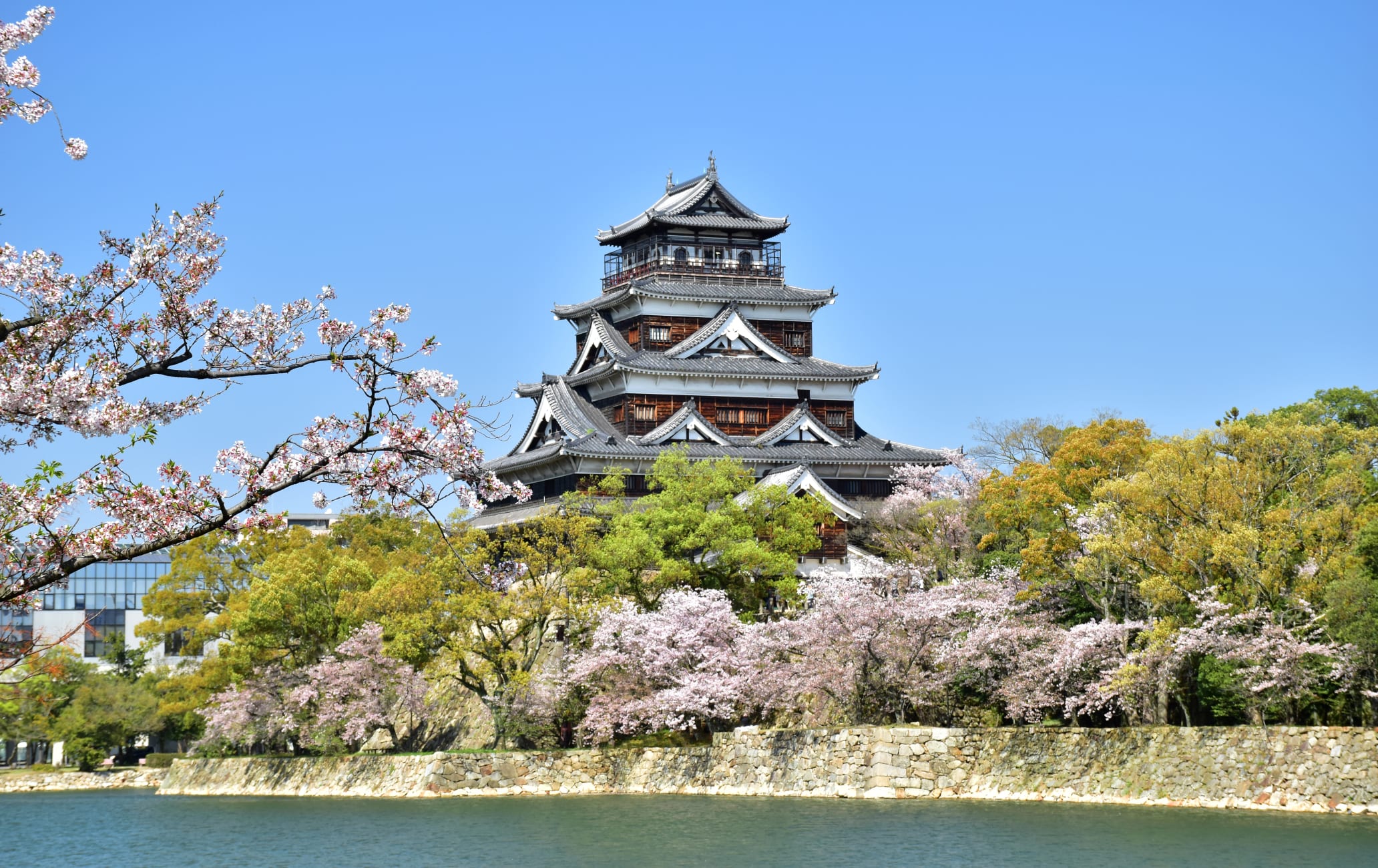
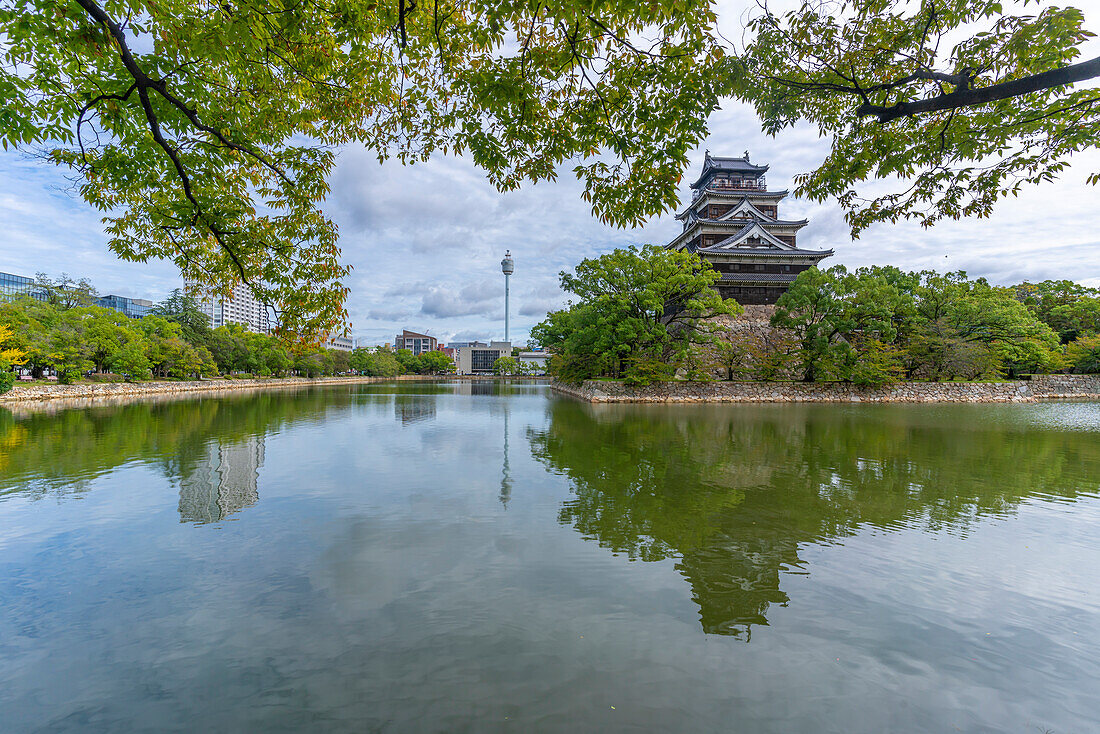
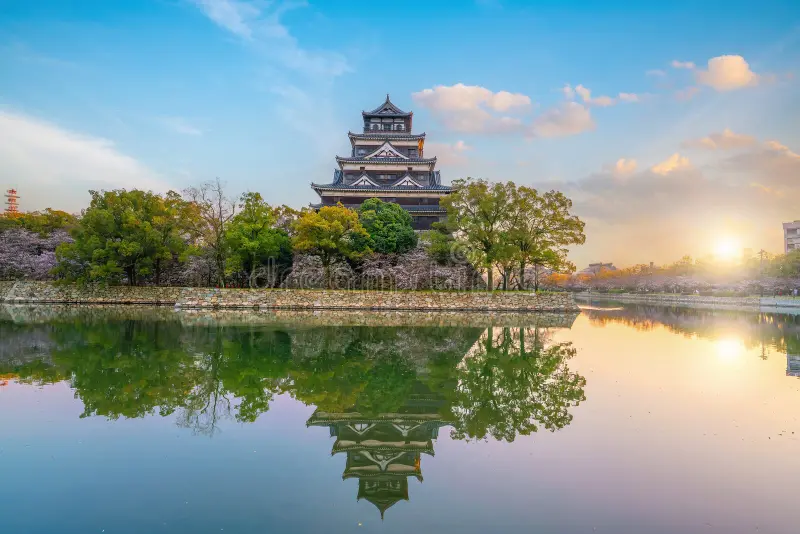
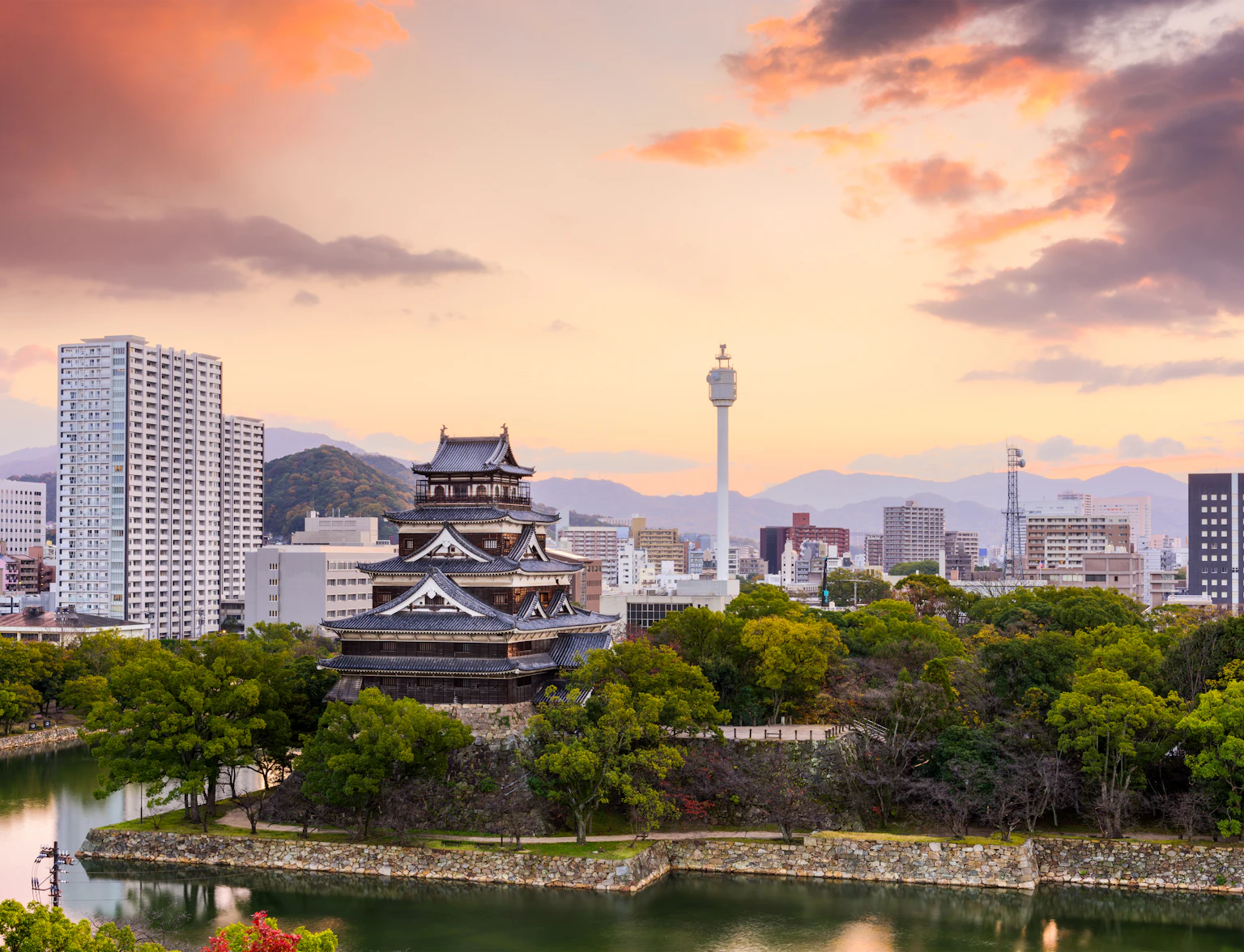
Hiroshima Castle, also known locally as Carp Castle (Rijo), is a faithfully reconstructed five-story keep that anchors the city's feudal history beside the Honkawa River.
Our hiroshima castle tours guide you through the wooden interior museum, the restored Ninomaru defensive structures, and the shaded grounds surrounding the central donjon. The hilltop observation level rewards visitors with wide views over the modern skyline and the nearby Hiroshima landmarks.
"Our hiroshima castle tours guide you through the wooden interior museum, the restored Ninomaru defensive structures, and the shaded grounds surrounding the central donjon."
The landmarks, rooms, and views travelers on Hiroshima Castle tours remember — all visible on a single visit.
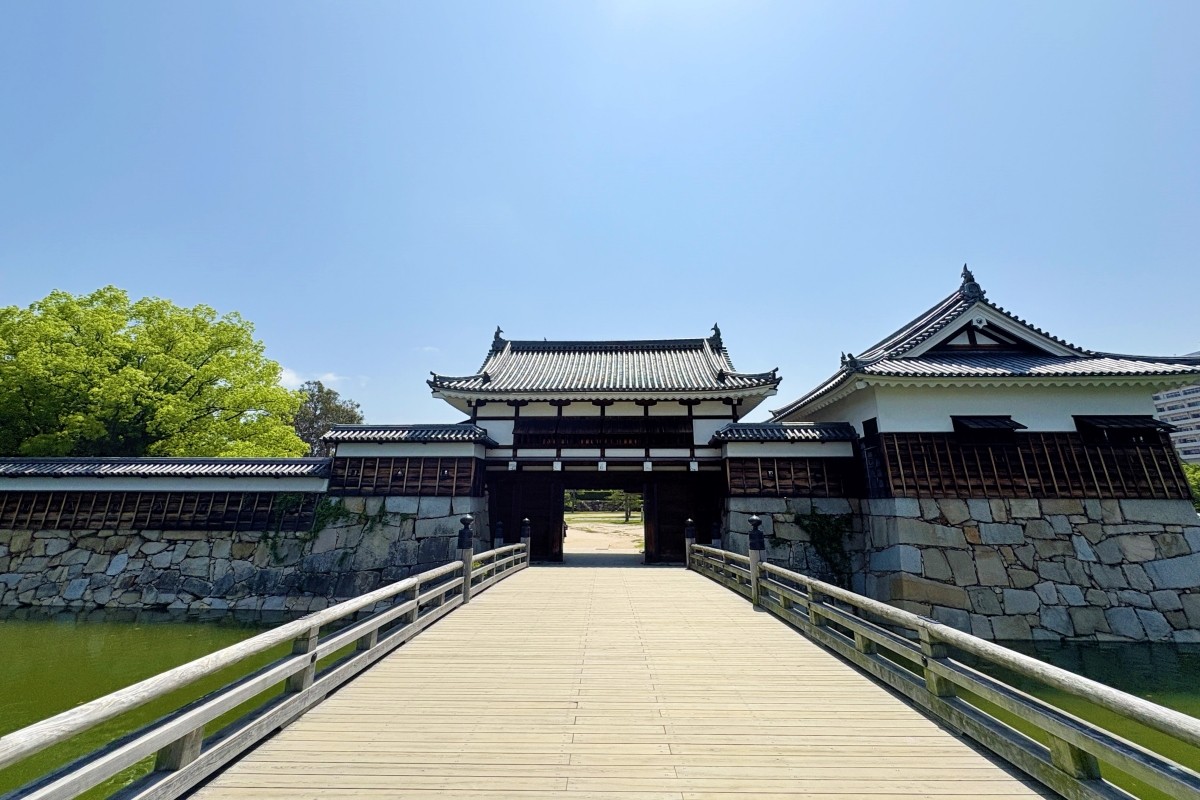
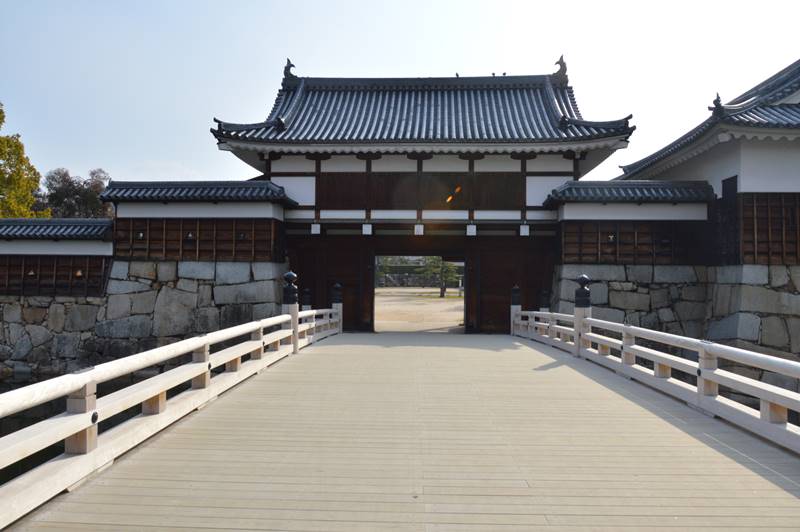
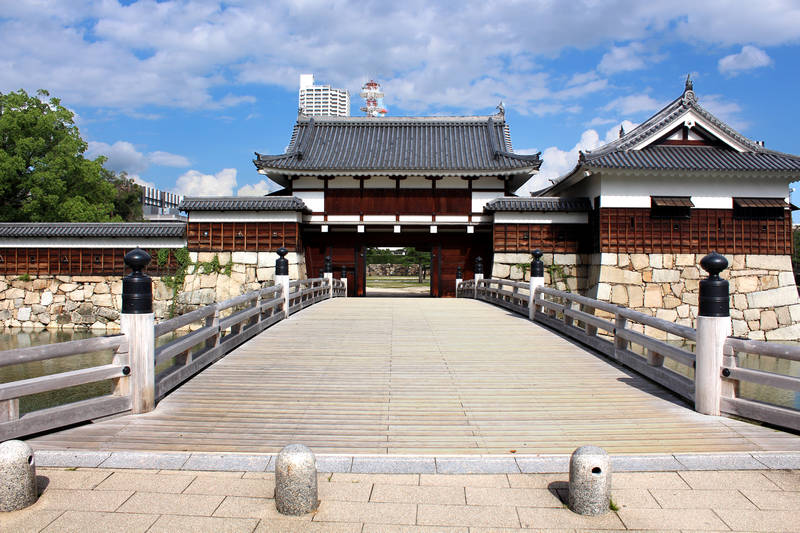
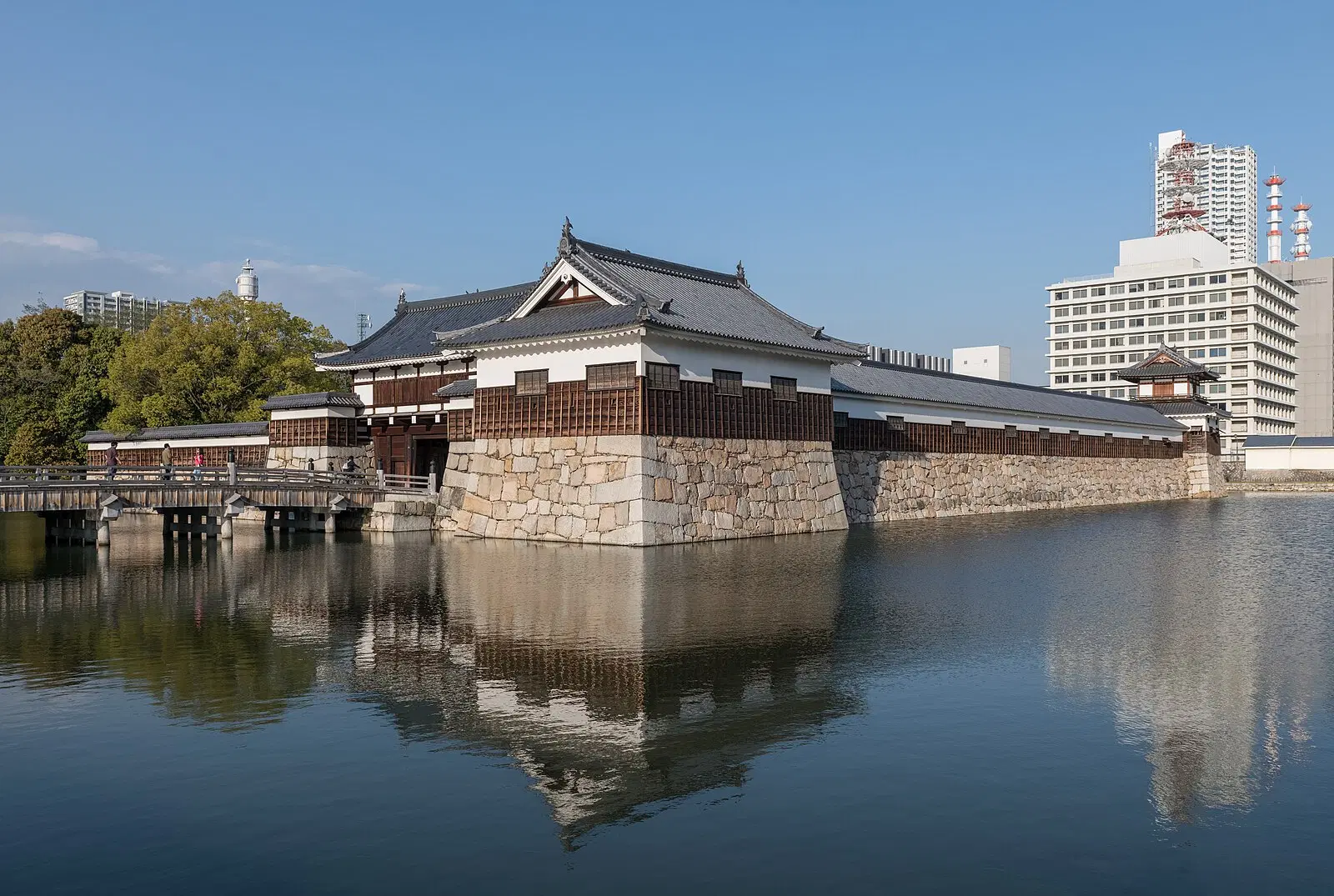
This imposing two-storey wooden gate was destroyed in the 1945 atomic blast and faithfully rebuilt in 1990 using traditional Edo-period joinery techniques; its massive hinoki cypress beams and iron fittings are original in style.
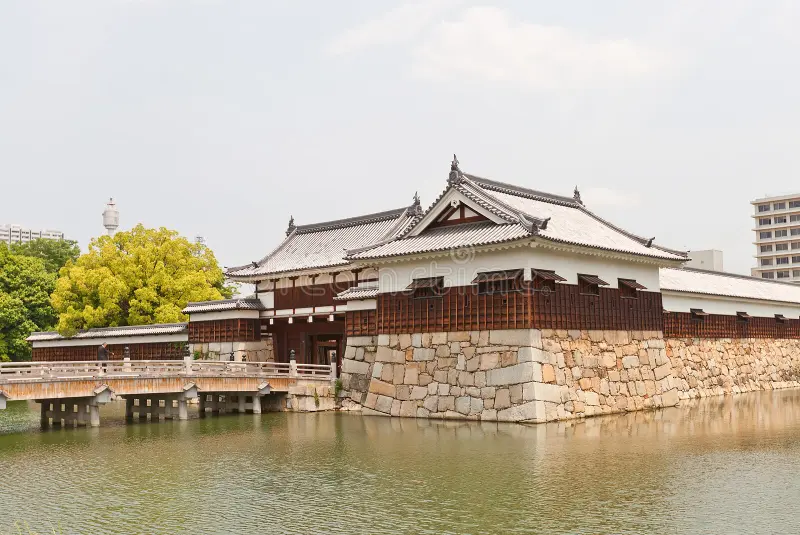
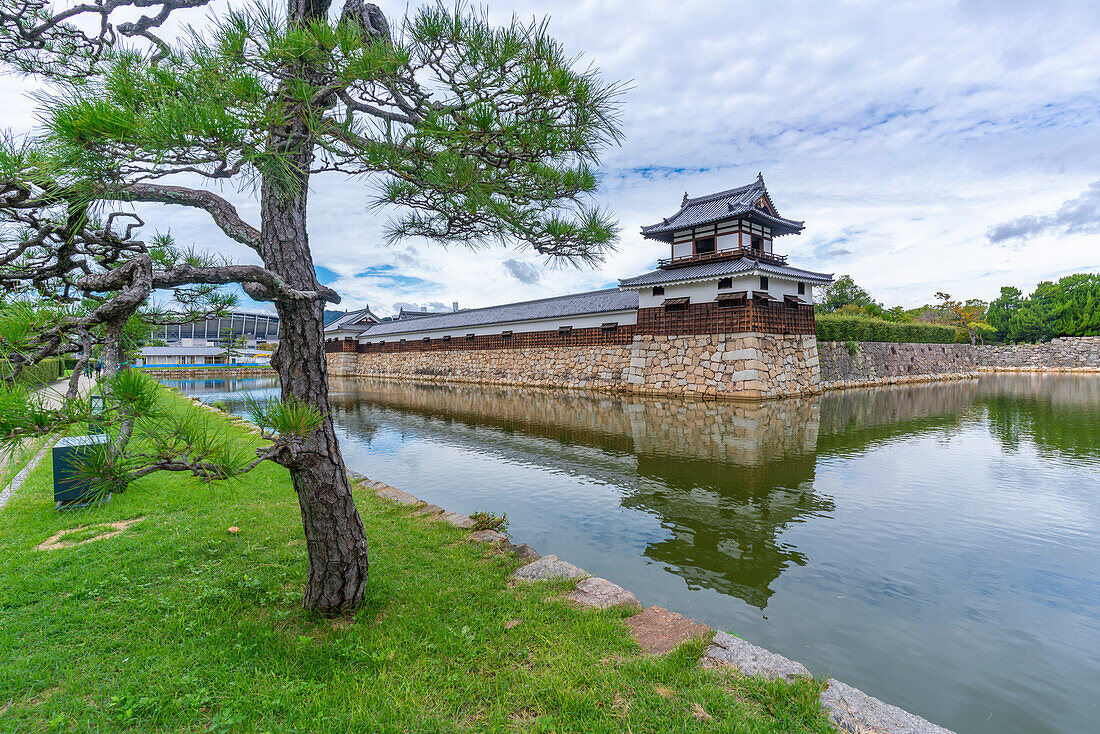
The Ninomaru secondary citadel was reconstructed over five years from 1989 using pre-war survey records; the drum turret (Taiko-Yagura) is the only one of its kind surviving in Hiroshima and retains the barrel-drum mount used to signal castle-town events.
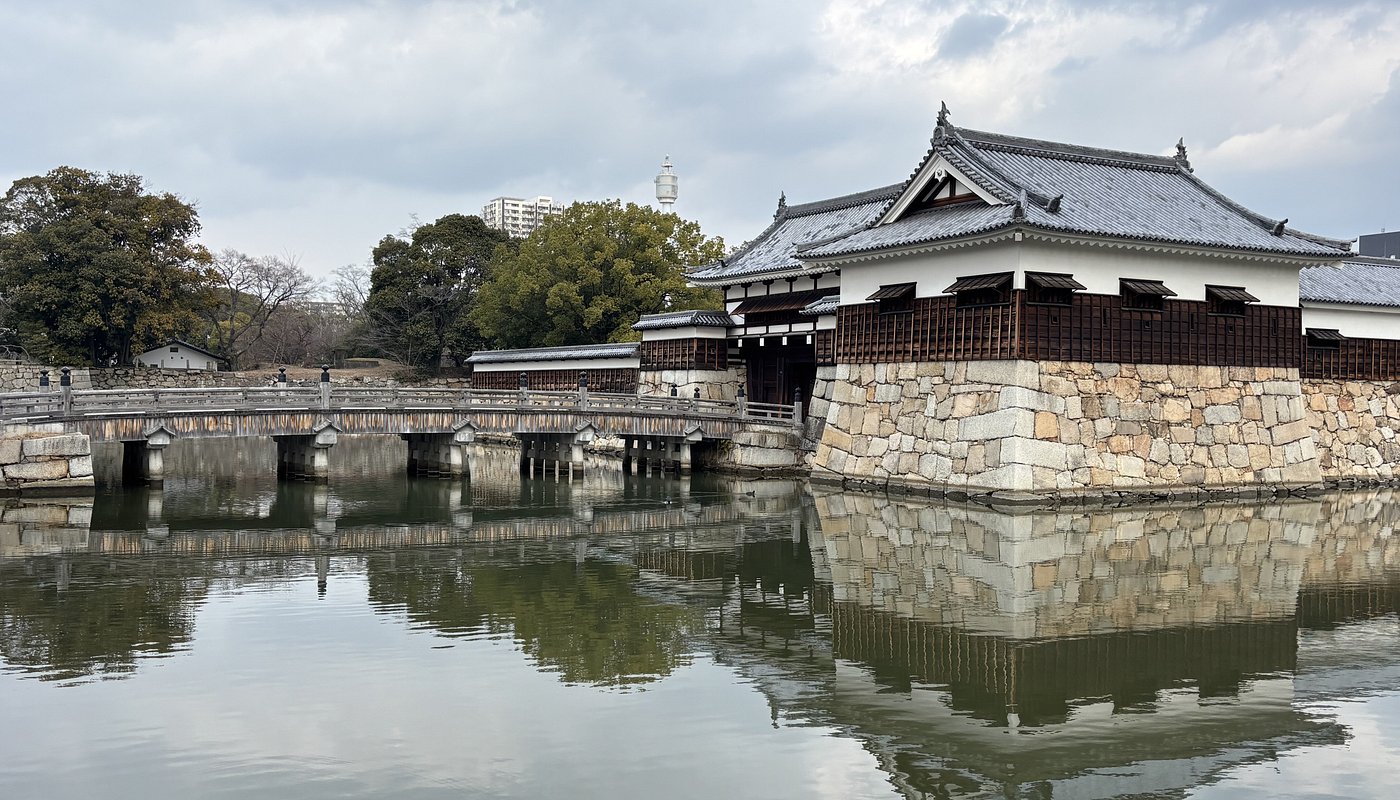
The inner moat encircling the main keep still holds koi carp, and its granite stone walls bear visible scorch marks from the 1945 atomic bombing — among the few physical surfaces in Hiroshima carrying that direct thermal scar.
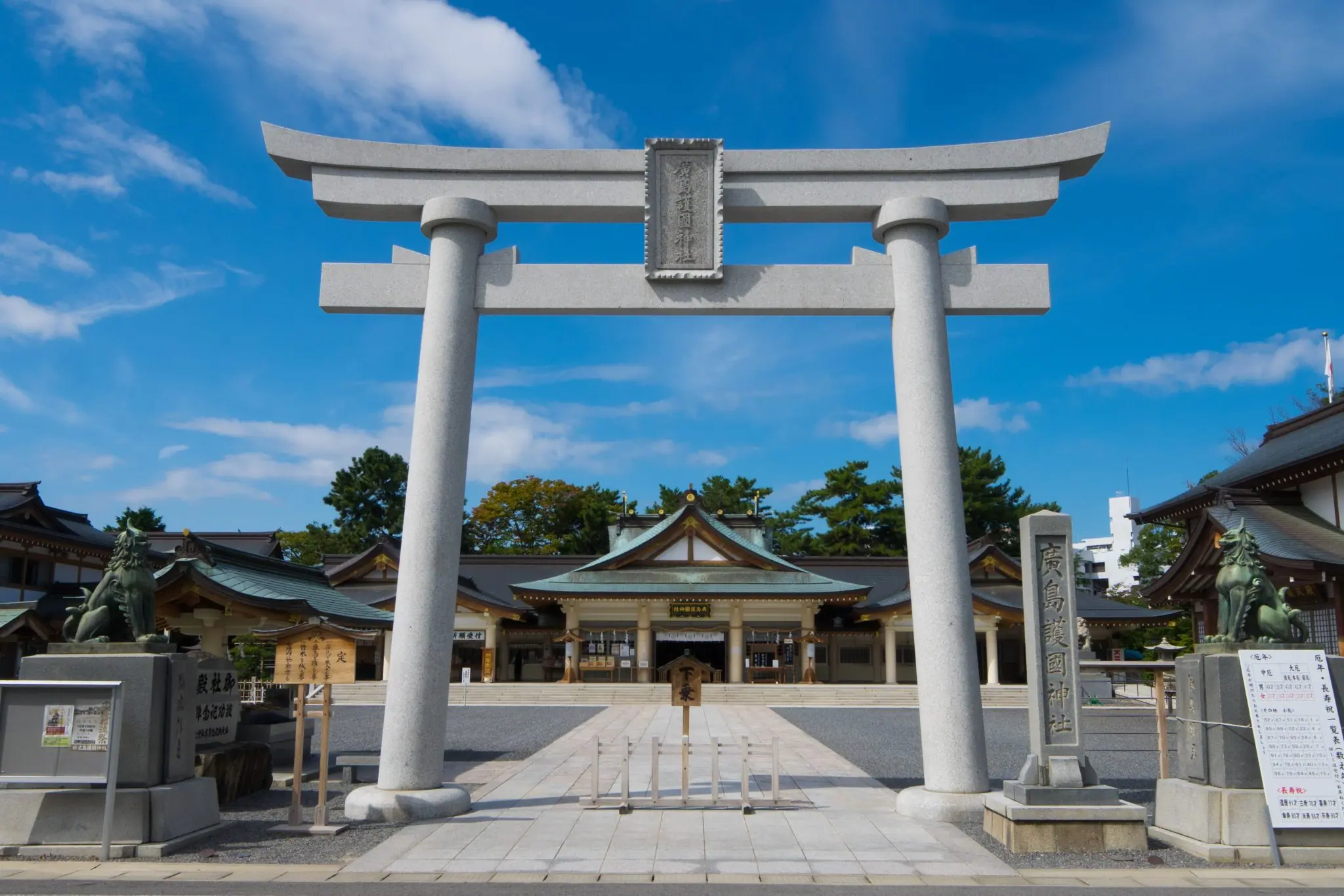
Relocated to its present position within the castle precinct in 1956, the shrine enshrines approximately 90,000 souls from the Meiji era onward and serves as the site where Hiroshima Toyo Carp baseball players pray before the season.
This cultural facility opened in 2025 on the former third-enclosure (sannomaru) footprint and houses traditional archery (kyudo) lanes, a Hiroshima okonomiyaki counter, and craft stalls — built on ground that once formed the outermost defensive ring of the 1589 castle.
Every Hiroshima Castle tour side-by-side — duration, what's included, how you redeem.
| Experience | From | Duration | Transfers | Pickup | Lunch | Tax inc. | Free cancel. | Price | |
|---|---|---|---|---|---|---|---|---|---|
|
Skip-the-line Most popular
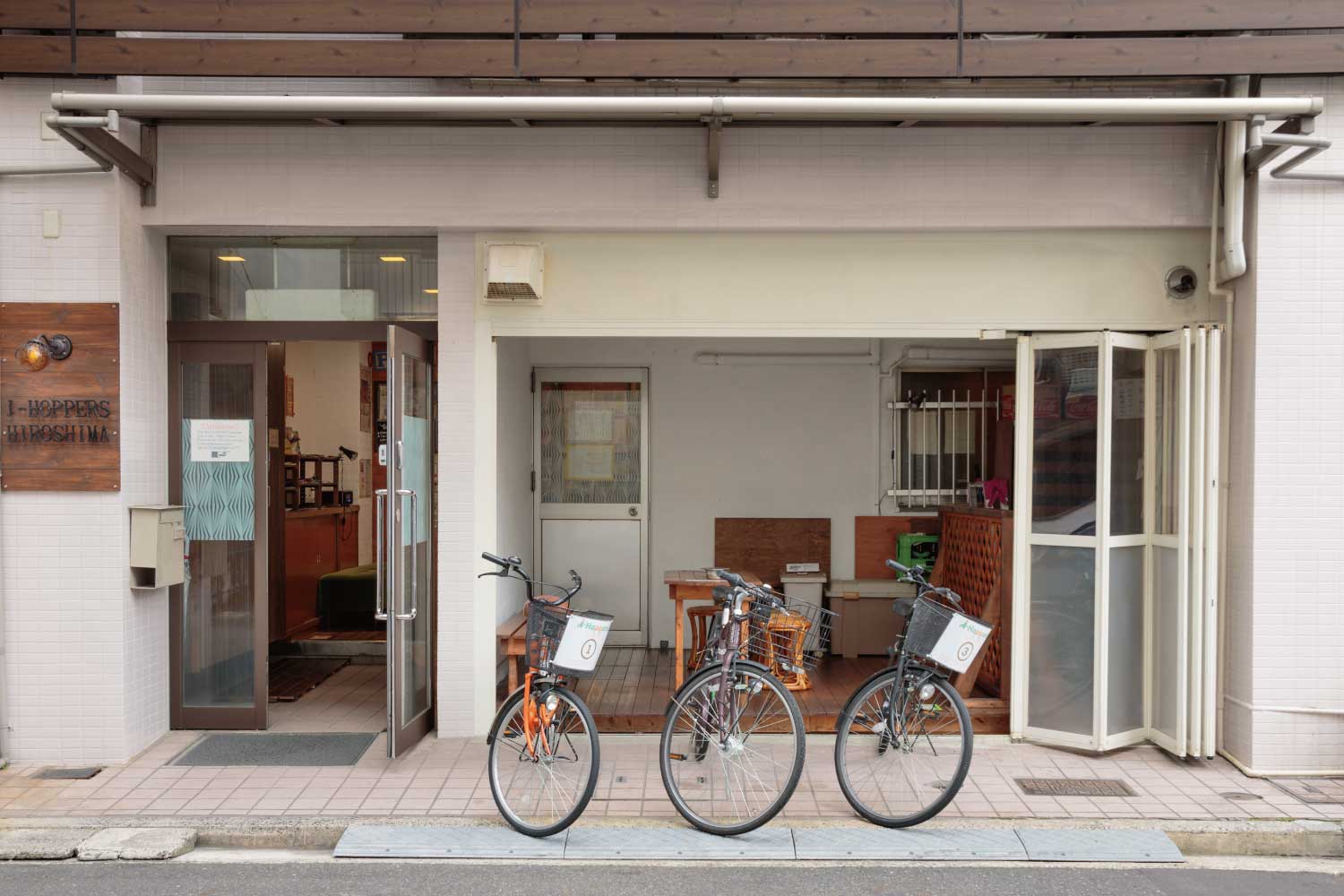
Hiroshima E-Bike Tour: Peace Park, Castle & Mitaki Temple
|
— | 3 hr 30 min | — | — | — | — | ✓ | €60 | Book → |
|
Guided Experience
Hiroshima Historical Walking Tour: Why the A-Bomb Was Dropped
|
— | 2 hr 30 min | — | — | — | — | ✓ | €30 | Book → |
|
Premium Combo
Hiroshima Peace Memorial & Castle Walking Tour
|
— | 3 hr | — | — | — | — | ✓ | €65 | Book → |
|
Standard Entry
Hiroshima & Miyajima UNESCO Sites: Full-Day Tour
|
— | 8 hr | — | — | — | — | ✓ | €103 | Book → |
|
Luxury / Private
Secrets of Hiroshima: Exclusive Private Walking Tour
|
— | 7 hr | — | — | — | — | ✓ | €146 | Book → |
All prices from verified partners. Availability and exact terms confirmed at checkout.
Choose your ticket, select your date, and reserve in under two minutes. Secure checkout handled by our verified partner.
Instant confirmation by email, with a mobile voucher you can save offline. No printing, no queuing at a collection desk.
Arrive at the entrance, show your voucher on your phone, and walk in. Most tickets include priority or skip-the-line access.
Practical details for Hiroshima Castle tickets straight from our verified partners — hours, access, rules, and how to get there.
21-1 Motomachi, Naka Ward, Hiroshima
Main entrance gate; clearly signposted from Kamiyacho tram stops
Open in Google MapsTake Hiroshima Electric Railway (tram) lines 1, 2, or 6 from Hiroshima Station to Kamiyacho-nishi or Kamiyacho-higashi stop, then walk 10 min north to the castle grounds.
From Hiroshima Station, walk approximately 3 km northwest via Shukkeien Garden; flat delta terrain throughout.
Taxis available at Hiroshima Station south exit; direct to 21-1 Motomachi.
Hiroshima Meipuru~pu (Maple Loop Bus) from Hiroshima Station stops near the castle grounds.
No formal dress code applies at hiroshima castle grounds. Comfortable, breathable clothing is recommended, especially in summer when temperatures regularly exceed 30°C (86°F). Closed-toe shoes are advisable for walking on the stone-paved paths around the Ninomaru and moat perimeter.
There are no bag-check or security screening procedures at the open castle grounds. Large backpacks and wheeled luggage are technically permitted but can be unwieldy on the narrow stone paths around the Ninomaru area. Coin lockers are available at nearby Hiroshima Station if you wish to store luggage before visiting.
Photography is freely permitted throughout the castle grounds, Ninomaru area, and around the moat. The moat's northern bank offers the most popular reflection shots of the keep exterior. Drone flights are prohibited within the castle precinct without prior authorization from Hiroshima City.
The outer grounds of hiroshima castle and the Ninomaru area are largely flat and accessible to wheelchair users and visitors with limited mobility, as the terrain around the moat paths is paved. The interior of the main keep is permanently closed as of March 2026, removing former staircase accessibility barriers. Accessible toilets are available within the grounds near the Ninomaru entrance.
Mobile phone use is unrestricted on the open grounds. Keep devices secure when leaning over the moat railings for photos. A Visit Hiroshima digital tourist pass can be purchased and used via smartphone for unlimited tram travel to and from the Carp Castle.
Hiroshima castle is well suited to families with children of all ages — the spacious moat-side park has open lawns for play, and the Ninomaru area features reconstructed Edo-period gates and turrets that engage young visitors. On weekends and public holidays, traditional events such as samurai shows are held on the grounds, adding a hands-on historical dimension to a family hiroshima castle tour.
The Hiroshima Castle Sannomaru cultural facility, opened in 2025 on the castle grounds, offers local food including Hiroshima-style okonomiyaki and traditional snacks. Vending machines are located near the main entrance. No food or drink is permitted inside the Ninomaru reconstructed buildings. Several cafés and restaurants are also within a 5-minute walk of the castle on the surrounding streets.
Leashed pets are generally tolerated on the open outer grounds of the castle park. Pets are not permitted inside the Ninomaru reconstructed buildings or the Sannomaru facility. Always carry waste bags and clean up after your pet as bins are limited.
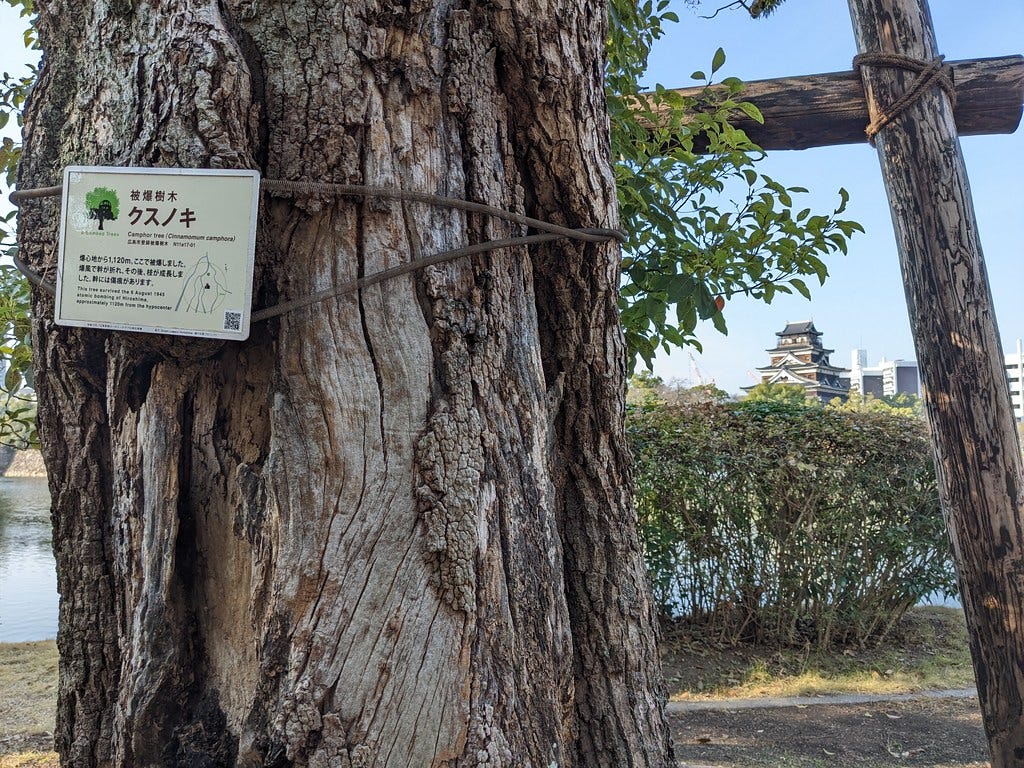
The Hiroshima Gokoku Shrine, dedicated to approximately 90,000 war dead enshrined since 1868, sits inside the castle grounds beyond the Ninomaru area and is free to enter. Atomic bomb 'survivor trees' — a eucalyptus, a willow, and a holly — remain standing within the grounds, roughly 740–935 metres from the 1945 hypocenter, and carry interpretive signage in English. Collecting a go-shuin (shrine stamp) at Gokoku Shrine is popular among visitors combining a historical and cultural itinerary.
21-1 Motomachi, Naka Ward, Hiroshima
Main entrance gate; clearly signposted from Kamiyacho tram stops
Get directions
Inside castle grounds south of main keep
Open paved area near Ninomaru buildings; visible from the gate bridge
Get directionsBest time to go, insider tips, nearby landmarks, and the cancellation fine print — flip through to skim what matters to you.
How crowds, weather, and events shift across the year.
Cherry blossoms around the moat are at peak, drawing large crowds; arrive before 09:30 for quieter viewing.
Hot and humid; grounds are lush and green with koi visible in the moat, but carry water and sunscreen for the midday heat.
Cooler temperatures and autumn foliage reflected in the moat make this a favoured season for photography at the Carp Castle.
Thin crowds and clear skies; grounds are peaceful but note the year-end closure on December 29–31.
Arriving between 09:00 and 11:00 on a weekday gives the fewest crowds and the best angled light for moat reflection shots at hiroshima castle.
Small details that turn a good visit into a great one.
The northern bank of the inner moat delivers the strongest keep reflection in the 09:00–10:30 window on clear mornings; afternoon light comes from behind the keep, flattening the image.
The 2025-opened Sannomaru area has shaded seating and food stalls serving Hiroshima-style okonomiyaki — a good midway rest point on a summer hiroshima castle tour.
Traditional samurai and archery demonstrations are held on weekends and public holidays on the castle grounds; check the Dive Hiroshima official site at https://dive-hiroshima.com/en/explore/1173/ for the current schedule.
Three atomic bomb survivor trees within the grounds carry bilingual interpretation boards with GPS distances from the 1945 hypocenter — easy to miss without a slow walk of the full perimeter.
The castle grounds close on December 29–31 annually; plan accordingly if visiting during the Japanese New Year travel season.
If combining the Carp Castle with Miyajima and Peace Park in one day, the ¥1,000 Hiroden one-day pass (including Miyajima ferry) saves money over paying per ride at ¥240 each.
Non-bookable sights within a short walk — free to visit, easy to pair.
Shinto shrine within the castle grounds enshrining 90,000 war dead; English signage available.
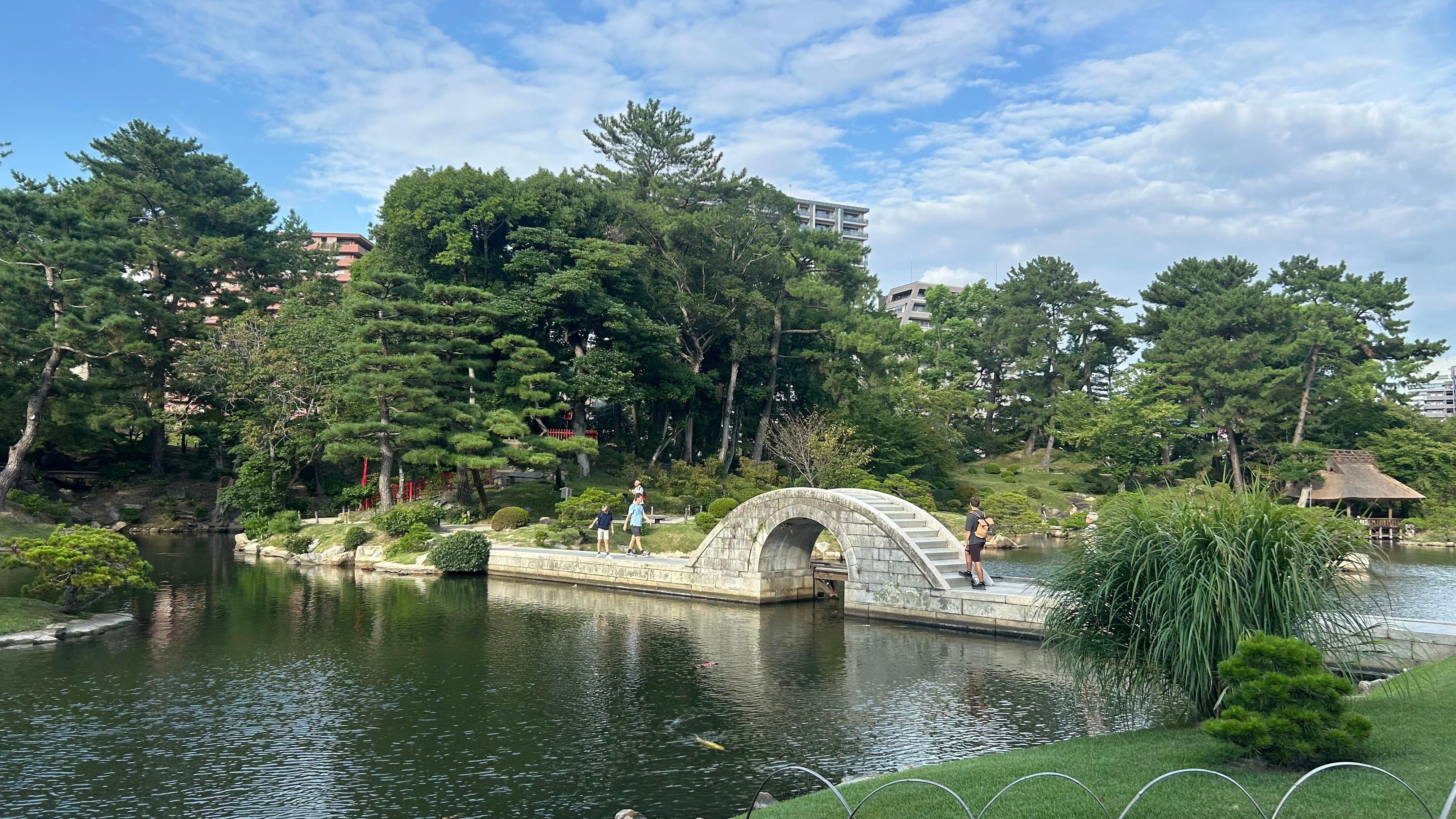
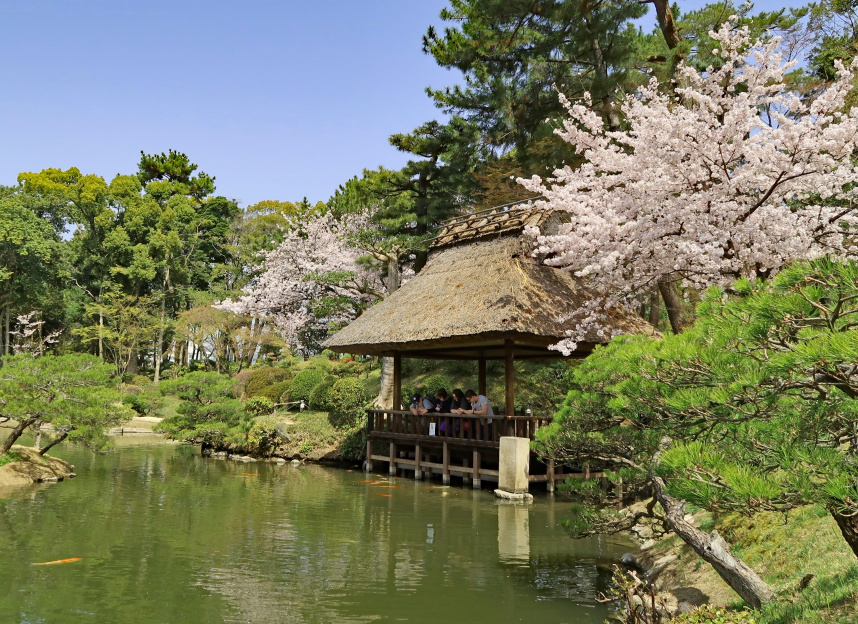
Edo-period stroll garden with miniaturized landscape scenery and a pond; admission ¥260 for adults.
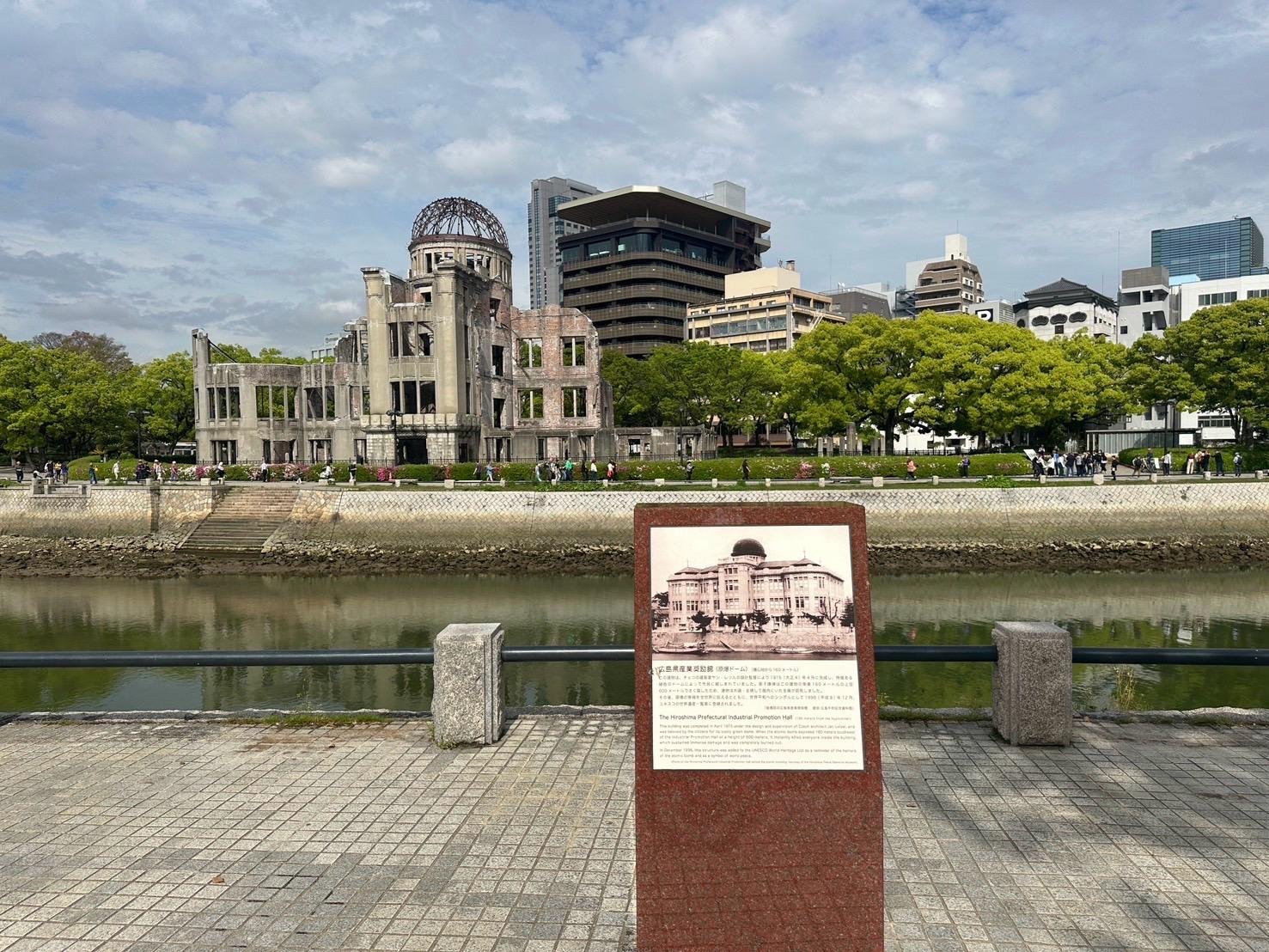
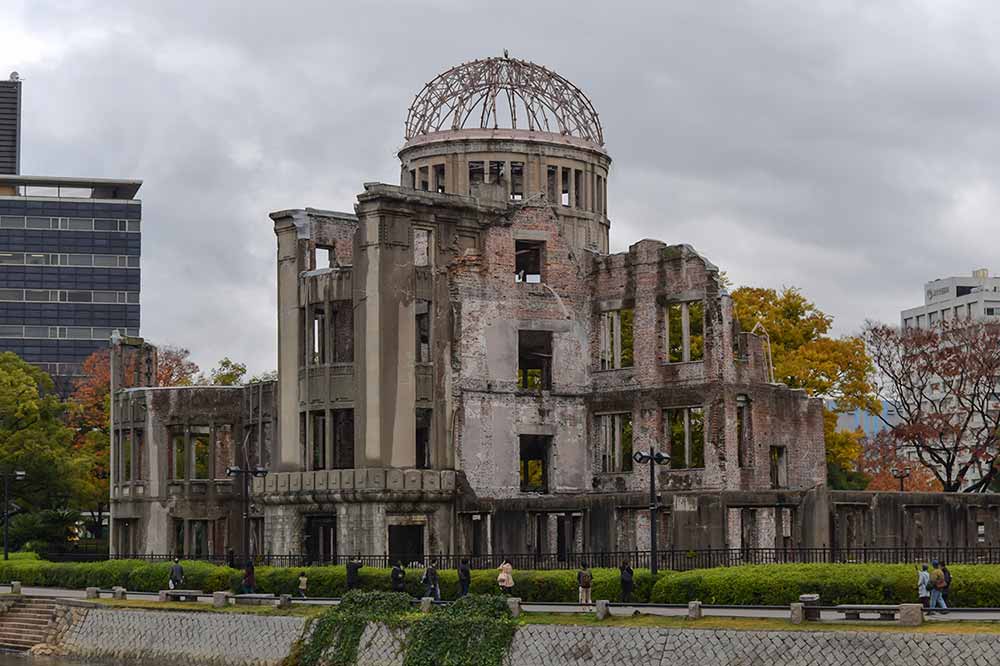
UNESCO-listed park centring on the Atomic Bomb Dome and the Peace Memorial Museum.
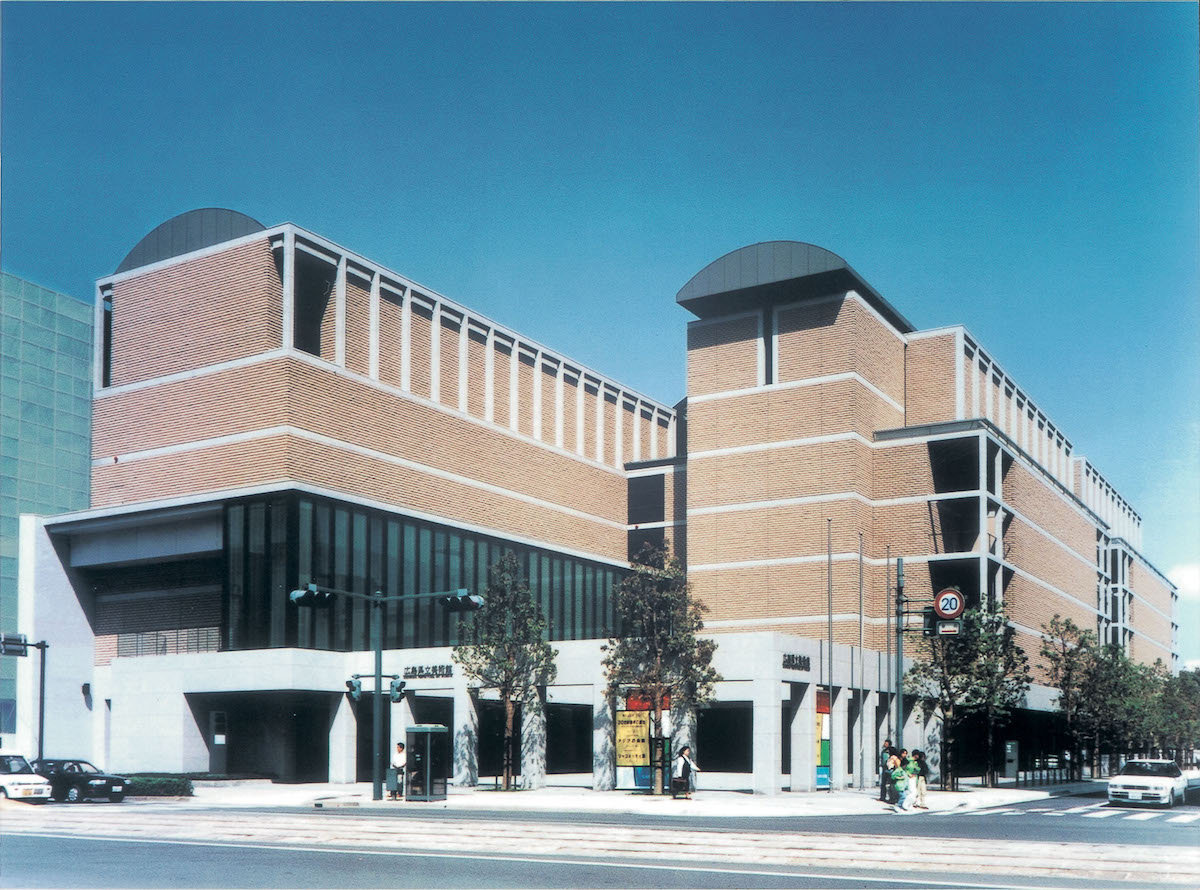
Collection of approximately 90 modern European paintings including French Impressionist works; open Tue–Sun.
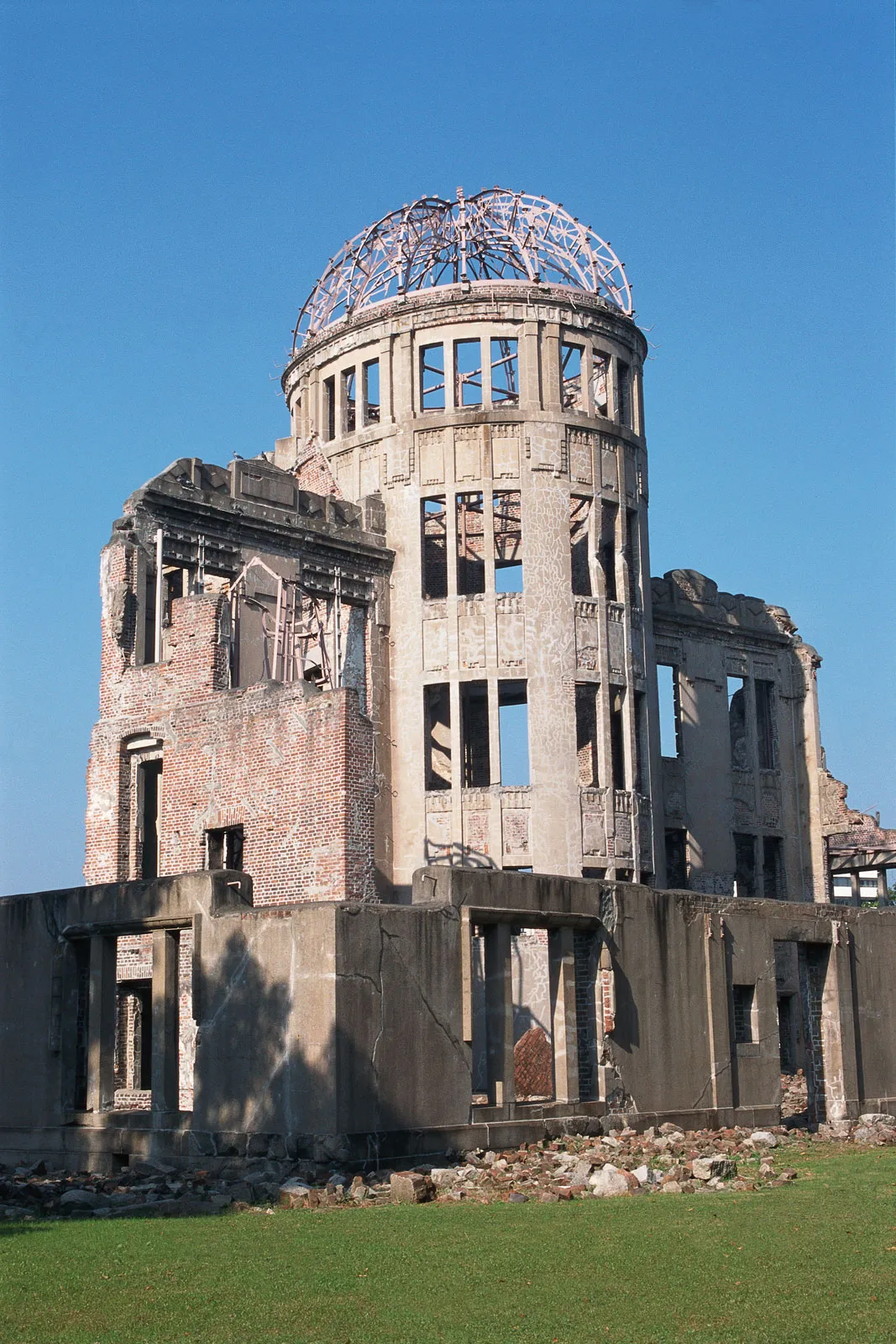
Preserved ruins of the Industrial Promotion Hall, directly beneath the 1945 detonation point and a UNESCO World Heritage Site.
Flexible, no hidden fees.
Hiroshima Castle grounds and Ninomaru carry no entrance fee (0 JPY), so no ticket purchase or cancellation is required for a standard visit. Any guided hiroshima castle tours booked through third-party operators are subject to the individual operator's cancellation policy, typically allowing a full refund if cancelled at least 24 hours before departure.
Hand-picked options within walking distance — pick a district for vibe, or a specific hotel for convenience.
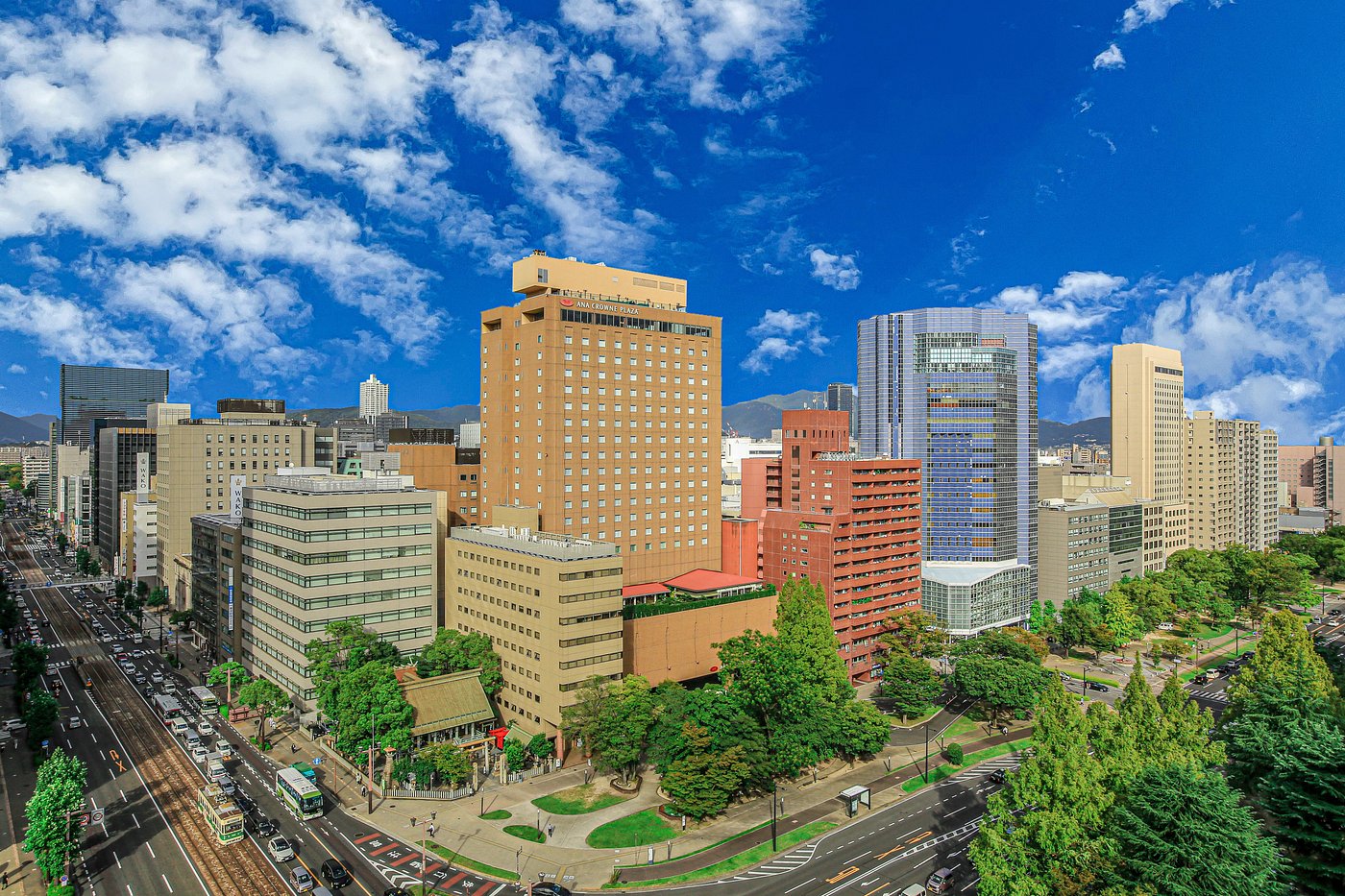
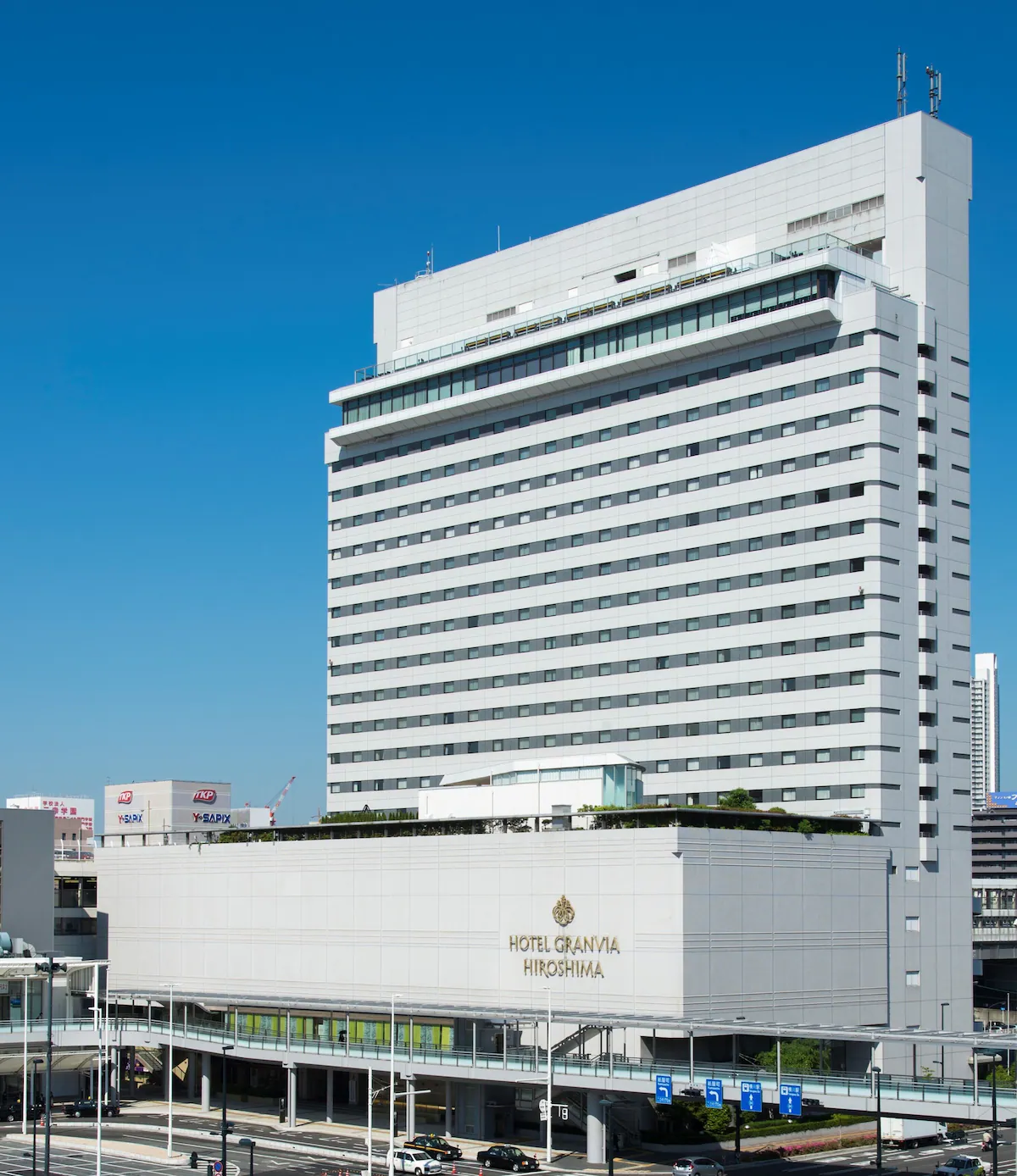
Full-service hotel near Hatchobori with city and castle views; business facilities and multiple restaurants.
Range of mid-range and business hotels clustered around Hatchobori and Kamiyacho; convenient tram access to all sights.
Well-regarded budget guesthouse near Peace Park with English-speaking staff and local tips.
Station-adjacent hotel with comfortable rooms and easy tram connections to the Carp Castle grounds.
Entry to the hiroshima castle grounds and the Ninomaru (secondary citadel) is completely free at 0 JPY. The main keep interior, which formerly charged ¥370 for adults, has been permanently closed since March 2026 and no admission fee applies.
Hiroshima castle is open daily from 09:00 to 17:30. These hours apply every day of the week including weekends. The grounds close on December 29, 30, and 31 each year.
No — the main keep of hiroshima castle was permanently closed to the public on 22 March 2026 due to earthquake safety concerns with the 1958 reinforced-concrete reconstruction. The exterior of the keep remains fully visible, and the Ninomaru reconstructed buildings, Omotegomon gate, and Sannomaru cultural area are all still open.
Take Hiroshima Electric Railway tram lines 1, 2, or 6 from Hiroshima Station to Kamiyacho-nishi or Kamiyacho-higashi stop (about 12 minutes, ¥240 flat fare), then walk approximately 10 minutes north to the castle grounds. Alternatively, walk the full 3 km from the station in around 35–40 minutes on flat terrain.
The recommended arrival window is 09:00–11:00 on a weekday morning, when the Carp Castle sees its fewest visitors and the moat produces clear reflections. Cherry blossom season (late March–early April) and autumn foliage (October–November) are the most scenic periods, though crowds are heavier then.
The outer grounds and the Ninomaru area of hiroshima castle are flat and largely paved, making them accessible for wheelchair users and visitors with limited mobility. Accessible toilets are available on the grounds near the Ninomaru entrance.
Photography is freely allowed throughout the castle grounds and moat perimeter. The northern moat bank is the most popular spot for exterior keep shots. Drone use is prohibited without prior authorization from Hiroshima City.
The Hiroshima Castle Sannomaru facility, opened in 2025, serves Hiroshima-style okonomiyaki and local snacks within the castle grounds. Vending machines are near the main entrance, and multiple cafés and restaurants are within a 5-minute walk outside the grounds.
Visitors can explore the reconstructed Ninomaru — including the Omotegomon gate, Tamon-Yagura, Hira-Yagura, and Taiko-Yagura turrets — all for free. The Hiroshima Gokoku Shrine, three atomic bomb survivor trees, and the new Sannomaru cultural area with archery experiences are also within the grounds.
Yes — hiroshima castle and the Peace Memorial Museum sit about 15 minutes apart on foot, making a combined half-day itinerary straightforward. Many hiroshima castle tour operators include both sites, with guides contextualizing the pre-war samurai heritage alongside the 1945 atomic bombing.
Leashed pets are generally tolerated on the open outer grounds of the castle park but are not permitted inside the Ninomaru reconstructed buildings or the Sannomaru facility.
Hiroshima castle grounds require no tickets. For guided hiroshima castle tours, check the official Dive Hiroshima site at https://dive-hiroshima.com/en/explore/1173/ or third-party operators such as those listed on major booking platforms, which often combine the castle with the Peace Memorial Museum.